Friday, 5 May 2023

Have An Electric Car? Try These Tips To Improve Your Efficiency


If you're driving an electric vehicle (EV), you're already making a big step towards reducing your carbon footprint. However, you can take some additional steps to run your EV efficiently, maximise its range, and save money on your energy bills.

Plan Your Route


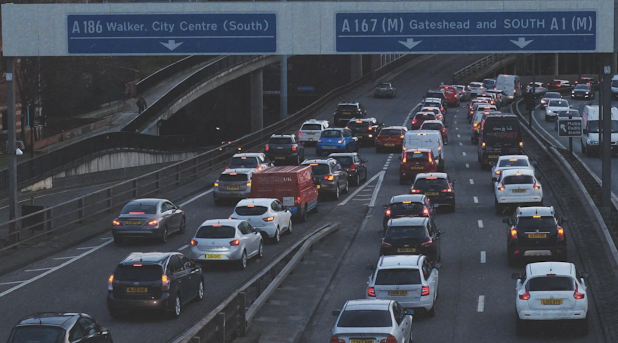
Planning your route ahead of time can help you avoid traffic congestion, which can drain your battery quickly. You can use various route planning apps to help you find the shortest, most efficient route to your destination.

Drive Smoothly


Smooth driving can help you use less energy and improve your EV's range. Try to avoid rapid acceleration, heavy braking, and sudden stops. Instead, accelerate and decelerate gradually and coast to a stop whenever possible.

Use Regenerative Braking


Most EVs have regenerative braking, which converts some energy lost during braking into electricity and stores it in the battery. To maximize the benefits of regenerative braking, try to anticipate stops and slow down gradually by lifting your foot off the accelerator pedal.

Use Eco-Mode


Many EVs have an eco-mode that limits the vehicle's power output, which can help conserve energy and extend your range. If you're not in a hurry, using eco-mode can be a great way to save energy and money.

Monitor Your Energy Usage


Most EVs have a dashboard display that shows you how much energy you're using and how much range you have left. Pay attention to this display, and try to adjust your driving habits accordingly. For example, if you see that you're using more energy than expected, you can try to drive more efficiently to conserve energy.

Charge Your EV at the Right Time


Charging your EV at the right time can help you save money on your energy bills. Many energy providers offer cheaper rates during off-peak hours, so try to charge your EV during those times.

Keep Your EV Maintained


Regular maintenance can keep your EV running efficiently and extend its lifespan. Make sure to follow the manufacturer's recommended maintenance schedule and keep your tires properly inflated.

Following these tips, you can run your EV efficiently, maximise its range, and save money on energy bills.


Friday, 17 March 2023

What Happens When You Scrap Your Car?


When you decide to scrap your car, you may wonder what will happen to it once it leaves your possession. The process of scrapping a car is actually quite involved and can be broken down into several steps.


The first step in the scrapping process is identifying an authorised treatment facility (ATF) that can handle your vehicle.


The government licenses these facilities to take in and process scrap vehicles. Once you have found an ATF, you will need to provide them with your vehicle registration certificate (V5C), which will confirm that you are the vehicle's registered keeper.


The next step is to prepare your car for scrapping.


This involves removing all personal items from the vehicle and any valuables or hazardous materials that may be inside. Once your car has been stripped of these items, it will be transported to the ATF.


At the ATF, your car will be depolluted, meaning all hazardous materials will be removed from the vehicle. This includes fluids such as oil, brake fluid, coolant, and any batteries, airbags, or tyres. These materials will be disposed of safely and responsibly in accordance with environmental regulations.


After de-pollution, the car will be crushed and shredded into small pieces, which can then be sold for recycling.


The recycled materials may be used to create new cars and other products such as bicycles and household appliances. This process helps to reduce waste and conserve natural resources.


Scrapping a car involves several steps, including identifying an ATF, preparing the vehicle for scrapping, depolluting the car, and recycling the materials.


This process helps to reduce waste and conserve natural resources and may also provide an opportunity for you to receive payment for your scrap car.


By choosing to scrap your car, you can ensure that it is disposed of responsibly and environmentally friendly.


Looking to scrap your car?


Follow the simple steps at Scrap Your Car Online to receive the best scrap car quote price, get paid and we’ll take care of the rest!


Tuesday, 17 January 2023

How To Drive Safely In Winter


With weather reports saying that the UK can expect snow this week with temperatures dropping, we thought we’d remind our customers and website visitors of the importance of driving safely in snowy and icy conditions.

Here are a few tips to help you navigate these conditions and stay safe behind the wheel.

Slow Down


First and foremost, it is essential to slow down and increase your following distance.

Snow and ice can make it difficult to stop and manoeuvre, so giving yourself extra time and space to react to any obstacles or sudden stops is essential.

Additionally, it is important to avoid sudden movements, such as rapid acceleration or braking, as this can cause your vehicle to lose traction and slide.

Prepare For The Weather


Next, make sure your vehicle is properly equipped for winter driving.

This includes having good tires with sufficient tread depth, as well as making sure your windshield wipers and washer fluid are in good working condition.

It's also a good idea to keep an emergency kit in your car, including things like blankets, a flashlight, and a bag of sand or cat litter to help you escape a slippery situation.

Good Visibility


Another important aspect of driving in snow and ice is visibility.

Ensure your headlights and brake lights are clean and working properly, and use them even during the day to increase your visibility to other drivers.

Additionally, it is important to clear all snow and ice from your windows, mirrors, and lights before starting your trip to ensure maximum visibility.

Stay Alert


Finally, it is important to stay alert and aware of your surroundings.

Keep an eye out for other vehicles, pedestrians, and potential hazards on the road.

Additionally, be aware of weather conditions and adjust your driving accordingly.

If the weather is particularly bad, consider postponing your trip or taking an alternate route to avoid dangerous roads.

Driving in snow and ice requires extra caution and preparation.

By following these tips, you can stay safe on the road and navigate these conditions with confidence.

Remember to slow down, increase your following distance, properly equip your vehicle, maintain visibility and stay alert.

And if the conditions are too severe, it's always best to wait for it to clear up or take an alternate route.


Monday, 14 November 2022

What Makes A Good Driver?


Whether you’ve been driving for 5 years or 50 years, there are certain things you can do to make sure you’re driving safely on the road to stay alert and minimize risks.


In this article, we’ll look at 5 characteristics of a good driver.

Driving Efficiently


With fuel prices constantly increasing, driving efficiently is the best way to keep costs low, look after your car and make it last longer.


So, there’s no need to do 60mph in 2nd or 3rd gear. There’s no reason to speed up to a speed bump only to do an emergency stop before you go over it.


If you want to reduce fuel consumption, improve the longevity of your car and more, then be sure to change gears in plenty of time as you work your way up to speed. For example, some cars now come equipped with a signal when to change gears for economic purposes. Simply change gear when your car tells you to (usually when you’ve reached a certain speed or revs).


And make sure you break gently and in plenty of time, as that’s another way to decrease fuel consumption, by breaking in plenty of time.


Overall, make sure you stay in top gear to reduce the number of revs and change gear as little as possible.


This is why motorway driving can be efficient for your car, as most of the time, you rarely break, and you’re in top gear.


Staying Alert


It's simple to become distracted while driving, whether you're listening to your favourite song on the radio, talking to a passenger, adjusting the air conditioning, or watching for a turning. However, if this top ten list were arranged in order of importance, maintaining attention would likely be at the top.


Because there are so many possible risks brought on by other drivers, it's critical to always be on guard. A hazard could include other distracted drivers, animals racing into the road, bicycles advancing up the inside lane, an unexpected spill or pothole on the road surface, debris blowing into your path, or pedestrians—especially young children—stepping out from behind a parked car.


This is why it’s important to constantly be observant, to stay alert, read the road as well as be one step ahead of other drivers.


Car Maintenance


Looking after your car can help you go a long way in keeping costs down and sustaining the longevity of your car.


So it's good to make sure that your oil is topped up, your windscreen wash is topped up, your radiator fluid is topped up, and your tyres are pumped up correctly.


Getting the basic things right means that your car will be operating at peak performance and when it comes to having your car serviced or for an MOT, the risk of your car failing may in fact be smaller if you look after your car and give it the basic maintenance it needs.


Being Confident


Remember when you first passed your test and drove your car alone for the first time without your driving instructor? Versus now, when you don’t even think twice about driving alone.


It’s all about experience and confidence. If you’re used to driving on an icy road in terrible weather conditions, then driving on a clear, sunny day should be fine.


But if you’re so used to driving in clear weather, when it starts raining, snowing or even in fog, you may lose confidence and have to pull over or, take your time while driving. At that point, if you’re driving below the speed limit, you become a risk to other drivers, especially in bad weather.


So, it’s important to be confident whilst driving.

Be Courteous


Allow other cars to pull out of junctions, say thank you to other drivers who are courteous towards you and overall, don’t drive angrily.


There is no need to drive dangerously behind other drivers, to go over the national speed limit, to angrily beep your horn or even swear or shout at other drivers.


So when you’re driving, remember to be polite and practice good manners on the road.


Friday, 23 September 2022

What You Need To Do Now To Get Your Car Ready For Autumn/Winter


The colder months are once again upon us, and the sooner you’re able to get your car checked and ready for winter, the better!


In this article, we’ll give you some tips on what you can do to get your car ready for this year’s autumn/winter.


Brakes


When it comes to brakes, you don’t want to leave these too late in getting checked, mainly because during winter, you risk skidding off the road and damaging your car and any passengers with you.


So go for a brake check at your local garage and play it safe by ensuring your brakes are in complete working order. The last thing you want is for your brakes to fail during any time of the year, especially in winter with snow and ice on the road.


This should be the number 1 priority. New brake pads, discs and anything else to ensure you can rely on your brakes this winter.


Winter Tyres


Every year, the question arises: should you add winter tyres to your car? And, it depends. If you live in the highlands, then maybe adding winter tyres is something you should seriously consider doing.


Whilst winter tyres aren’t mandatory here in the UK, some drivers still like to have them fitted in preparation for the winter months.


They can help with cornering and braking on softer surfaces, such as ice and snow and can improve driving performances all-round during winter.


Most garages fit them, so if you are interested, get your car booked in before snow and ice hit to ensure you’re fully prepared.


Just remember to change your tyres when spring/summer rolls around.


Screenwash


We’ve mentioned this before in a previous article, but it’s an essential tip for all drivers to consider. Make sure your screenwash is topped up!


When snow and ice may be reported, grit trucks will be laying crushed rock salt on the roads to melt the ice, making it easier for cars to drive safely. Not to mention sludge! It’s unpredictable with weather and dirt on the roads, causing windscreens to need washing to see the road in front of you.


So make sure your screenwash is topped up because you’ll need it!


Take Your Time


Drive slowly and steadily, you have to be careful and alert. Keep a bigger breaking distance between you and the car in front, and try to drive in higher gears for less risk of skidding. 


Get A Winter Kit


If your car breaks down for any reason, you’ll thank yourself for buying a winter kit. Things such as a blanket to make sure you stay warm in the freezing cold, a torch so you can see to check your car over during the night, a fully-charged power bank for your phone, water and non-perishable snacks can all help you stay calm and keep comfortable until help arrives.


But also consider a shovel and a spare outfit! Sometimes your car might get stuck in deep snow, so shovelling your way out might be the only option if recovery trucks cannot reach you. Most can these days, but it’s better to be fully prepared.

Friday, 19 August 2022

Top 4 Car Maintenance Tips To Beat The Heat


This Summer has been hot in the U.K., breaking temperature records and reaching as high as 40 degrees Celcius.


To keep your car running and performing at its best, you can take some measures to keep your vehicle running normally.


This blog will give you four tips to help you get through the heatwave.


Buy A Sun Shield

Ever got in your car, and everything was too hot to touch? The steering wheel, the seatbelts, the seat itself? Even keeping your windows open slightly doesn't seem to do the trick.


To eradicate this, you may want to consider buying a sun shield to help keep the sun off your steering wheel and seatbelts and keep the heat out of your car.


These are cost-effective and easy to set up but are a genuine bargain once you get one.


Keep Your Tyres Pumped Up

Since the road will be hotter, you want to ensure that your tyres are fully pumped up and that they're in a healthy state. 


Check for general wear and tear, punctures, bulges or anything else that may be dangerous to you driving the car.


If you spot any signs of trouble with your tyres and can't just pump them up, you may want to consider getting a new pair of tyres added on.


Check Your Engine Fluids

Keeping your engine fluids topped up is a great way to ensure your car continues running daily. 


Coolant fluid, oil checks, and your windscreen wash should be checked every 2-4 weeks during Summer and even winter to ensure your car is "healthy".


If you're unsure of what you need to do, you could always pop your car down to your local garage and ask them to do a service, it may cost money, but at least you know your vehicle has had a look over. 


Test Your Brakes

As you use your brakes all year round, it's a good idea to test them whenever you get a chance. 


When you're stationary, ask a family member or a friend to ensure your brake lights are working. Also, ensure no warning lights on your dash may indicate an issue with your brakes.


And overall, just ensure that when you set off, gently apply the brakes to see if they're working correctly. A quick check of your brake fluid, and you should be good to go.


If you find any problems, you may want to get your car booked for a check with your mechanic.


Friday, 25 March 2022

How To Survive The Increase In Fuel Prices


If you’re a motorist then you’ll know how difficult the past few weeks have been as we’ve seen petrol and diesel prices increase rapidly and almost at a daily rate!


In some places, we saw prices reach up to £1.70 per litre for petrol and a whopping £1.80 for diesel.


Seeing this, the UK Government have recently stepped in and has confirmed it will cut fuel duty by 5p per litre as it aims to gain control over the increase in cost.


The changes came into effect last Wednesday at 6 pm and the reduction will last for 12 months.


So what can you do as a motorist to survive the increase in fuel prices? Even with the Government cutting the cost of fuel by 5p per litre.


The most obvious answer here is to consider switching to an electric car or at least a hybrid car where you make use of both petrol and electricity.


However, the cost of changing car (along with the rate of inflation and other costs in the UK going up) now might not be the best time to make that transition from your current car to a new electric or hybrid car.


But there are other ways in which you can at least, slow down the amount of petrol or diesel you consume.

  1. Change gear early and avoid revving your engine too much.

  2. Don’t slam on your brakes, instead gently press them to come to a stop.

  3. Make sure your tyres are fully pumped up.

  4. Remove any unnecessary weight from the car (boxes in the boot? Rubbish in your car? Consider a huge clearout).

  5. Try to stay in your highest gear wherever possible.


These are just some basic tips that should help reduce your fuel consumption. If you’re already doing one of these, that’s great, but doing all of these together will help reduce the number of times you need to fill up in a month.

Friday, 28 January 2022

Everything You Need To Know About The Highway Code Changes For 2022


From January 29th 2022 there will be an update to the highway code as the department for transport aims to ensure a safer road where cyclists, pedestrians and vehicles can all coexist on British roads.


In this article, we’ll highlight some of the new changes coming into play, early in 2022.

Hierarchy of Road Users


In an effort to improve safety for vulnerable road users, the government is introducing a new road hierarchy.


This essentially means that the people who can potentially do “the greatest harm” will hold the greatest responsibility to reduce the threat that they pose to others.


This means if you’re a HGV driver, then you’ll be at the top, cars and vans will be after that and then cyclists and then pedestrians.


Things such as taking photos and videos at the wheel, selecting a song on your playlist and playing games on your phone, will now become illegal and may receive a £200 fixed penalty and six points on your licence.

Pedestrians Crossing At Junctions


As it stands, when a person wants to cross the road at a junction, unless there is a zebra crossing, it’s up to the driver to be courteous and allow the pedestrian to cross the road.


However, if the person is already on the road, then they have right of way at a junction and the driver should allow them to cross.


The new rule allows for the right of way for pedestrians. Now, when a car is turning into a road and there are pedestrians waiting to cross, the driver should stop and allow them to do so.

Overtaking When Driving or Cycling


The rules when overtaking are changing too, when overtaking at speeds of up to 30mph, you now must leave at least 5 feet between yourself and the person/cyclist you’re overtaking.


If you’re passing people riding a horse, or people walking in the road at speeds of 10mph or under, you must leave at least 6.5 feet of space.


You must stay behind them until there is enough space in order to overtake them.

The ‘Dutch Reach’


Drivers and passengers in a vehicle will now need to use their opposite hand to open the car door and get out.


The idea being that, by using your left hand to open your car door on the right as a driver. Or using your right hand to open the car door on your left if you’re a passenger you will have to turn your head to look over your should behind you.


This is to avoid any accidents that you may not have seen previously. Motorbikes, cyclists and pedestrians who could be passing by that you may harm by opening your car door.

Caught Up To Speed?


These are just some of the new changes coming into effect as of the 29th of January 2022. 

Monday, 22 November 2021

Top 5 Most Useful Online Tools


When it comes to your car, there are now more than ever, more apps and websites readily available for you to do almost everything you want to do.


With apps such as petrol prices, you can download to your Android or iOS device and check the cheapest petrol prices near you.


And with other websites such as SORN, you can declare your car to be off-road before you decide to sell it or scrap it.


In this article, we’ll take a look at some of the most useful and helpful online tools you can get to do with your car.

Petrol Prices


First on our list is petrol prices, which is an app available for both Android and iOS smartphones. Once downloaded, just enter your postcode and you’ll see the cheapest places to get your petrol from!

Know Your Car


Know Your Car is a fantastic app available for Android and iOS smartphones to help you never forget when your MOT is due, when your car insurance is up for renewal and when it’s time to pay your tax for the year.


You’ll never have to worry about it again as you’ll get notifications telling you what’s up for renewal.

Petrol Check


With the UK switching from E5 to E10 fuel this year, it’s always best to check which petrol is compatible with your car and this handy tool allows you to search for your car and tells you if your car accepts E10.


We recently wrote a blog about why the switch from E5 to E10 is a good move as it benefits the environment and helps reduce carbon dioxide (CO2) emissions by 750,000 tonnes a year.

SORN


If you are deciding not to drive your car for a long period of time, perhaps you’re moving away, going on holiday or you can’t decide between selling or scrapping, then in the meantime, declaring your car off-road and SORN means you won’t have to pay car tax or car insurance on the car.


Just as long as you don’t drive it on the road, this would be illegal and would result in breaking the law.


This SORN tool from the Government website makes it easy to declare your car SORN online in a matter of minutes.

Scrap Your Car Online


And for all your car scrapping needs, there is no better place to go than us, Scrap Your Car Online.


We offer the best quotes for your car and our stress-free, easy online quote service, means you can do everything from the comfort of your own home.


We’ll even come and collect the car from you, so you don’t have to worry about driving it to us without any means of getting back.


To start the process, simply enter your registration and postcode and follow the instructions to scrap your car with us today.


Monday, 6 September 2021

E10 Fuel: What Is It And Will My Car Run On It?


In September 2021 in the UK, petrol cars will be required to use E10 petrol, this change comes as the government announced the ban on the sale of new petrol and diesel cars from 2030 as it shifts towards a greener future.


So what is E10 and how will it affect my car?


Well in this article, we’ll give you the full rundown of everything you need to know.

What Is E10 Fuel?


E10 fuel is petrol that contains up to 10% renewable ethanol (hence the name E10) and this helps reduce CO2 emissions that petrol produces.


Before, petrol would only contain just 5% renewable ethanol (known as E5). This move helps the government tackle climate change and in turn, could help cut CO2 emissions by 750,000 tonnes a year. The equivalent of taking 350,000 cars off the road.


Countries such as Belgium, Finland, France and Germany currently use E10 fuel and this move helps shift the UK to be in line with these European countries.

Are There Any Downsides?


For the majority of drivers, this change won’t come as a big move and most will probably not notice any changes at all.


However, for those who drive older car models or ones that aren’t necessarily compatible with E10 fuel, you may notice this change a little more.


Whilst E10 is compatible with all cars, over time you may experience damage caused to rubber seals, plastics and metals.


So, where you can, we would advise still using E5 fuel in the “Super” grade (97+ octane) which will remain available at many larger petrol stations. Just be sure to check the label on the pump first.

How Can I Check My Car Is Ok For E10 Fuel?


The UK government have created this handy website for you to check your car by manufacturer type to see if your car qualifies for E10 petrol.

Friday, 26 February 2021

Should I Fix My Cars Problems Or Scrap?


Unfortunately, cars don’t last forever.


And it may come to a point where you’re seriously considering either fixing the damages on your car or whether or not you should just scrap it.


In this article, we’ll take a look at when you should fix and when you should scrap.

When To Fix


The first thing to identify is what’s wrong with the vehicle.


If you’ve got a flat tyre, then more than likely, you’ll want to get the tyre fixed and keep the car.


But if you have an engine problem or a complicated electrical problem, then you may need to weigh up your options.


So firstly, identify the problem and then take a look at the cost.


£50 - £1,000 may be reasonable for you to justify fixing the car. It may be more, it may be less depending on your budgets and how much you value the car.


But if the fix costs just as much as the car or even more, then it may be time to start thinking about scrapping your car.

When To Scrap


As mentioned, when the cost to fix the car is just as much as the current cars’ value or even more, then you may want to consider scrapping the car.


The most common cases for scrapping your car as opposed to selling comes down to the severity of the issue with the car.


Usually, these are issues that are serious and are difficult and expensive to fix.


And you want to make sure you have alternative options available. Especially if your car isn’t drivable or is too dangerous to drive.


Consider a car on loan or a car on lease. Or for the time being a rental car. Until you’re in a position to buy a new car.

If You Need To Scrap


Here at Scrap Your Car Online, we’ve made it as easy as possible for you to scrap your car with us in seconds.


All you need is your registration and postcode to be given a free, no-obligational quote for us to pick up your car (for free) and take it away to be scrapped.


We take all the pain and effort out of scrapping your car, so you can just click and receive your money when we scrap your car.


So if you’re ready to scrap your car, enter your details on our website today and get an instant quote!

Friday, 15 January 2021

Your Car Scrapping Questions Answered


We’re always getting questions from our customer base and so much so, we thought we would write a blog to answer some of the hot topics and questions you send into us.


While scrapping your car can seem like a difficult process, we’ve made it as easy and as stress-free as possible for you to scrap your car online with us.


But, we know that it can be a daunting process and you may have some questions along the way.


So here we’ve listed the top 5 questions we get asked on a regular basis. We’ll be answering:


  • How long does the process take?
  • What happens after I scrap my car?
  • Do I need to contact the DVLA?
  • Can I claim back any unused road tax?
  • How much can I get for my car?
  • How long does the process take?

From accepting your quote from us to arranging a date and time to collect your vehicle, can really depend on your availability.


On average, it can take anywhere between 3-4 working days. But as mentioned, we will collect your vehicle at a date and time that suits you best.


When we arrive, as long as your car is easily accessible and everything is ready to go, then it shouldn’t take us too long to remove your car and take it away to be scrapped.


What happens after I scrap my car?


Once we’ve taken your car away, we’ll take care of the rest, scrapping your car and issuing you with a Certificate of Destruction (CoD).


This is a legal document that is required to produce after scrapping your car. And covers you with the DVLA to prove that your car has been destroyed in line with all appropriate ELV regulations.


When scrapping your car with Scrap Your Car Online, you can rest assured that you won’t get hit with a fine from the DVLA and all our CoD’s are issued by an Authorised Treatment Facility.


Do I need to contact the DVLA?


As long as you have received your CoD, there is no need to contact the DVLA. They will already be aware that your car has been destroyed and meets appropriate ELV regulations.


If you have not received a CoD within 24 hours, or you have been issued a Notification of Destruction (as opposed to a Certificate of Destruction) or your car has been salvaged and returned back to the road, you will then need to contact the DVLA.


However, as mentioned, we only issue Certificates of Destruction (CoD) and scrap your car meeting all the regulation standards needed.


So if you scrap your car with us, you won’t have to contact the DVLA.


Can I claim back any unused road tax?


Now that you have your Certificate of Destruction (CoD) you should receive your refund from the DVLA for any unused road tax within 6 weeks.


How much can I get for my car?


The amount we pay out really depends on numerous factors, including scrap prices, salvageable parts and accessibility.


Every car is different and therefore it’s quite difficult to give a set price.


However, use our instant scrap quote tool online, which is completely free, will tell you how much we are willing to pay you for your car.


And what’s more, is that the process takes seconds!


Ready to scrap your car?


We hope we’ve answered some of the questions you may have had and made it easier for you to scrap your car with us.


Take a look at our frequently asked questions page, to see more information about the commonly asked question.


Still not found the answer to your question? Get in touch! We’re always happy to help answer any questions you may have and our team are on-hand to help guide you throughout the process.

Tuesday, 15 December 2020

5 Tips On Increasing The Life Of Your Car


Let’s face it, cars are out of date as soon as you buy them, there’s always a newer model in production and even then, the manufacturer whether it be Vauxhall, Ford or Mercedes are always looking to innovate and take advantage of the latest technology.


And what’s more, is that a car is an expensive investment. So naturally, you want to get your money’s worth before upgrading to a newer model. How might you increase the longevity of my car you may ask.


Well in this guide, we’ll give you 5 tips on what you can do to increase the life of your car.


Tyres


By making sure your tyres are fully pumped up and have the legal amount of tread depth, you can help increase the longevity of your car.


If you’re drinking around with deflated tyres and a worn tread depth, it can be damaging to not just the wheels of your car but also the power. You will need more petrol and power to move the car along, thus it taking more energy than it normally would.


Always make sure your tyres are pumped up and that you have the correct tread depth on your car.


Maintenance Checks


Remember when you learned how to drive, you also had to do some maintenance checks under the bonnet? Well, these checks can also help increase the life of your car.


Engine oil, brake fluid, windscreen wash, battery and general checks under the bonnet of your car can help keep your car on the road for longer.


Running around without any oil or brake fluid can be dangerous, so you want to make sure these are topped up, at least on a monthly basis.


Fuel


The most important factor here is to always make sure you’re filling your car with the correct fuel type whether that’s petrol or diesel. Otherwise, this can be damaging to your car and quite expensive to fix.


And where possible opt-in for the higher quality fuel, it may be more expensive, but it can impact your engine components and help improve the longevity of the vehicle.


Interior


Perhaps one of the easiest tasks on this list it to make sure your car is clean. We’ve specifically mentioned the interior, but you should not forget the exterior too. Keeping the seats clean, the footwells clean and the overall interior and exterior body work of the car can help keep the car looking relatively new, even if it’s a few years old.


Service


And finally, you should always get your car booked in for a service.


Issues that may be spotted earlier on may end up being cheaper to fix. And servicing your car also increases the resale value and may lengthen the longevity of the car.


Not to mention, this could also help you save money on your MOT. One of the worst things about having an MOT is whether or not it will pass or fail.


By servicing your car, it reduces the risk of any nasty surprises when you take your car in for it’s MOT.

Wednesday, 19 February 2020


Common MOT Fail Reasons

5 Most Common Reasons Cars Fail Their MOT

As we settle into the new decade, many of us are already starting to consider what’s on the calendar for the upcoming year. For all motorists, it’s the usual MOT, yearly service or perhaps some essential maintenance work that we’ve been putting off for a month or two.

But if you have your MOT rapidly approaching, you might be starting to think about whether your car is going to pass its test or not. If your keen to see your car pass with flying colours, let's take a look at the 5 most common reasons why cars end up failing their MOT in the first place!

Signalling & Lights

Did you know that just under 20% of vehicles that go for their MOT test fail due to an issue with their lights?

Whether this is a blown headlight or registration bulb, or the indicators not functioning as they should, a simple check before heading to the test centre could help you avoid a disappointing fail certificate!

Suspension

With the harsh Winter months taking their toll on the roads here in the UK, the frequent emerging potholes can cause a multitude of issues for your vehicle. From a leaky shock absorber to a snapped spring, over 13% of failed MOT’s are caused by issues relating to the suspension.

Brakes

As a motorist, we understand the importance of having safe brakes that are in good working order. But did you know that an alarming 10% of MOTs fail every year due to having issues with the braking system?

Listening out for any grinding or loud squeaking noises may indicate that your brake pads are running low.

Tyres

Despite all the nifty safety mod-cons, your car isn’t fully safe unless the tyres carrying you from A to B are in tip-top condition. Continuously driving on poor tyres that aren’t fit for purpose is a disaster waiting to happen.

Ensure your tread on your tyres are free from bulges, cuts and that your tread is at least 1.6mm.

Visibility

Being able to see where you are driving is a pretty essential aspect of driving safely on the road. However, an alarming number of motorists fail their MOT every year due to impaired visibility issues.

From cracks and chips in the driver's eye line to air fresheners and sat-navs obstructing the line of view, more than 7% of motorists fail their MOT due to these reasons.

Wednesday, 8 January 2020

5 Tips To Help Keep You On The Road This Winter

Winter Driving Tips


5 Tips To Help Keep You On The Road This Winter


Let’s face it there is never a convenient time to break down on the roads, but during the cold Winter months breaking down is something many drivers are keen to avoid. So, you will be pleased to know that there are actually a few things that you can do during those colder months to help you avoid breaking down!

Check Your Fuel Level

This might sound obvious step to take, but it’s often the simplest of hurdles that often end up tripping us up in the long run. Before heading out ensure that you have enough fuel to get you to and from your destination if harsher weather was to hit.

Nobody wants to be stuck in the snow with no fuel!

Tyre Tread

Although the legal minimum requirement of the tread is 1.6mm, during those colder months of the year it is recommended that drivers have 3mm of tread on their tyres. This is to better aid traction and grip should you encounter ice or snow on the roads.

Having too little tread is not only illegal in the UK, but it will also impair your ability to drive safely in adverse weather conditions.

Oil Level

Checking your oil level is essential all year-round, simply checking the level regularly with the dipstick can help you to avoid breaking down when you least need it. Running your vehicle dangerously low on oil can have serious mechanical implications.

Keep Your Screenwash Topped Up

During the Winter months, there is a greater amount of dirt and grit on the roads, which naturally results in filthy windscreens. Ensuring that your screenwash is topped up with a quality pre-mix which is effective down to -15 is essential.

Avoid A Frozen Engine With Coolant

On those colder mornings, the last thing you want to encounter whilst rushing off to work is a frozen engine. If you keep your car serviced regularly, you shouldn’t need to top up the coolant, however, if you’re heading out on a long journey it’s always best practice to check first.

Wednesday, 4 December 2019

How To Drive Safely In The Snow


How To Drive Safely In The Snow


If you have been joyfully wishing for a white Christmas this year – you may just be in luck!

With the latest weather forecasts predicting up to 17 inches of snow in some places within the UK next week, now seem the perfect time to brush up on some motoring ‘do’s and don’ts’ before heading out in severe weather conditions!

So, join us as we guide you through how to stay safe on the roads in the event of an extra chilly Christmas.

During our normal weekly commute, we often take small things such as washer fluid and general driving essential for granted. After all, what’s the likely hood of needing a snow shovel in the height of Summer?

So before you set out like normal, remember that driving in the snow can be extremely hazardous and seriously affect conditions on the road – it’s best to be more prepared than underprepared!

So before setting off in the snow, here a few things that you need to take into consideration:

· Plan your journey and ensure you leave more time to reach your destination

· Clear you wipers before switching on your engine.

· Ensure all tyres have enough tread – poor tyres will not grip when driving on ice and snow.

· Pack for the worst-case scenario (de-ice, blankets, shovel, phone charger, jump leads, food and warm drink)

· Top up your washer fluid with good-quality screenwash that protects down to -35.

Tips for Driving In The Snow


If possible driving should be avoided, however, we understand that not everyone can wait around for the white stuff to thaw away. So here are a few tips on how to tackle driving in the snow:

· Move off in second gear or in Winter mode – this will help to reduce the wheels slipping.

· Accelerate gently and use low revs. Ensure you change up to a higher gear quickly.

· Leave 10 times the normal recommended stopping gap between you and the car in front

· Prepare for driving up a hill by leaving plenty of room in front so that you can maintain a constant speed without having to change gear.

· For downhill slopes, use a low gear and try to avoid braking unless necessary.

· Should you skid, steer gently into it and do not stamp on your brakes or let go of the steering wheel. (if the rear of your car slides left, gently steer to the left until you straighten up).

· Approaching a bend ensure you reduce your speed before you start to turn your wheel on the bend.

· If the road has not been gritted be wary of driving on the compacted wheel tracks as they are more likely to be icy than fresh snow.

Wednesday, 9 October 2019

The New Electric Corsa Everyone's Talking About

Corsa-e Available 2020

The Vauxhall Corsa has always been a popular small hatchback for drivers, and with each new model brought to the market, we have seen more refined designs, new technology and great features as standard. However, for 2020, Vauxhall is releasing a new Corsa that represents an enormous leap into the future for the familiar Corsa and the Vauxhall range. Available on the forecourt early 2020 Vauxhall is bringing to the market the first electric Corsa variant, namely the Corsa-e.

For the first time in Corsa's history, the new model will be offered with battery power alongside combustion-engined models, such as petrol and diesel.

The Corsa-E Up Close

This stylish, eco hatchback uses a 134bhp motor and a 50kWh lithium-ion battery that has been officially tested to range up to 205 miles. Although this range is competitive for smaller hatchbacks, Vauxhall has additionally claimed that their new electric Corsa’s range can be extended by as much as 40% when driven in the Eco Setting. The Eco Setting is said to restrict performance, but if you’re looking to get the mileage, it may just be worth it. When in Eco Mode the regenerative braking system will harvest energy from the driver simply lifting off the accelerator pedal and feed it straight back into the battery.

From a domestic household socket, the Corsa-e takes more than 20 hours to charge fully. However, this length is dramatically reduced to only 8 hours when charged from a dedicated 7.4kW home wall box.

Additionally, when you’re on the road, the new electric Corsa can be charged up to 80% in just 30 minutes via a 100kW rapid charger. These charging stations are found most commonly at motorway service stations.

Corsa-E Features At A Glance


· 205 Mile Range (WLTP)

· Rapid Charge To 80% In 30 Minutes

· On-board 11kW on-board charger as standard

· Active Lange Assist

· LED Headlamps

· Emergency Braking System

· Adjustable heated seats & steering wheel

· 7” Colour Touchscreen

· DAB Radio

· Apple CarPlay & Android Auto.

Monday, 9 September 2019

Smart Motorways - What You Need To Know


Although it may not feel that long ago, smart motorways have been popping up around the UK since they were first introduced on the M42 in 2006. In those 13 years, more than 400 miles of road have been converted to the new active traffic management system (ATM), but many motorists are yet to fully understand how they work, and what implications could occur if they aren’t used properly.

So, with that being said – what are smart motorways and how do they work?

Smart Motorways – How Do They Work?


Currently, there are three different types of smart motorways in the UK. All have been designed to manage traffic and increase capacity while reducing overall congestion at particularly busy areas or times in the day.

The three smart motorways include:

All Lane Running Schemes

As the name indicates, an all lane running scheme permanently converts the hard shoulder into a running traffic lane. On this smart motorway, lane one which was formerly a hard shoulder in only every closed off if an incident has occurred.

The extensive use of CCTV helps monitor what is occurring on, and in the event of an incident, a red X will appear above the lane on the gantry signalling lane closure to motorists.

All lane running schemes also display mandatory speed limits, which will automatically adjust depending on traffic conditions. If no speed limit is present on the gantry, the national speed limit is in place.

Designated emergency refuge areas (ERAs) are available should drivers break down or be involved in an incident on the side of the carriageway.

Controlled Motorway

Controlled motorways work similarly to the All Lane Running Scheme with the main difference being that the hard shoulder always remains as an emergency-only lane. The hard shoulder should only ever be used in a genuine emergency.

Variable speed limits are still signalled on the gantry to help aid congestion during busy times; however, when a speed limit is not present the national speed limit is enforced.

Dynamic Hard Shoulder Running Schemes

Dynamic hard shoulder running schemes are commonly seen all over the country. They work by only turning the hard shoulder into a running lane of traffic at busy periods to help ease congestion. On these stretches of the motorway, a solid white line differentiates that hard shoulder from the normal carriageway.

In the event of an emergency, a red X will appear above the lane on the gantry. It is critically important that motorists exit the lane safely as soon as possible. Ignoring the red X is extremely dangerous and could put both your life and others at risk.

Smart Motorway Fines

Just like all roads, there are rules and laws in place to keep motorists safe. However, there are a few things you need to bear in mind while travelling on a smart motorway.

Speeding

Drivers often assume that the speed cameras on a smart motorway are only enforced when the variable speed limit is in place. However, the cameras on smart motorways are always active, monitoring traffic and speed. Therefore this means that any motorists travelling over the national speed limit have a much greater chance of being fined for speeding.

Red X Fines

As we touched upon previously, driving within a lane with a red x signalled above is extremely dangerous. Currently, manual enforcement is in place for drivers that are seen driving within a ‘Red X’ land. However, Highways England is looking to implement camera enforcement, which will lead to points on your licence and a fine.

Smart Motorways In A Nutshell

· Never drive in a lane closed by a red “X”.

· Keep to the speed limits shown on the gantries

· A solid white line indicates the hard shoulder – do not drive in this lane unless directed on the gantry.

· A broken white line indicates a normal running lane.

· Use the refuge areas for emergencies if a hard shoulder is not present.

Thursday, 1 August 2019

New Drivers Face Curfew Scheme Which Could Ban Night Driving

New Drivers

New Drivers Face Curfew Scheme Which 

Could Ban Night Driving 

It has been announced in a recent report from the Department for Transport that they are considering introducing a potential ban on newly-qualified motorists driving at night.

Although this new regulation may come as a surprise to many new motorists, the conversation follows recent collision figures of newly-qualified drivers. On average, one in five newly-qualified motorists are involved in an accident within their first twelve months on the road.

To combat this increasing number of collisions, the graduated driving licence scheme would mean that motorist would be not only faced with a curfew, but also additional restrictions.

Other Potential Restrictions Newly-Qualified Drivers Could Face

Newly-qualified drivers could also face the following restrictions under the graduated licenses:
  •  Prevent new drivers from taking passengers under a certain age.
  • Reduced alcohol limit.

How Would This Implicate Newly-Qualified Drivers

Although this new concept is designed to help keep new motorists and others safe on the road, experts have expressed their concern. Currently, two-thirds of newly-qualified motorist are young individuals.

Young Drivers


Source: DFT


In response to the announcement, Ian McIntosh, chief executive of Red Driving School, argued that the scheme would disadvantage young people, hampering their employment prospects and social mobility.

“It will also affect support networks built around friends and families – particularly in rural areas where public transport options are limited,” he said.

“At a time where young drivers are already penalised through higher insurance premiums, the government should avoid action that further limits the opportunities offered by learning to drive.”

Currently, there are similar schemes in place in other countries to help improve the road safety of younger drivers. Countries include many EU countries and parts of Australia and Canada.

When Will The Scheme Be Enforced?

As it stands, the scheme is still in conversation stages. There are currently no further details on how the proposed system would work in practice, including the duration drivers would be classified as ‘newly-qualified’.

Wednesday, 3 July 2019

7 Car Maintenance Checks That You Should Definitely Be Doing

7 Car Maintenance Checks That You Should Definitely de Doing

7 Car Maintenance Checks That You Should 

Definitely, Be Doing

Performing regular car maintenance checks both above and under the bonnet is an essential responsibility for any motorist. Whether you have a long journey ahead or just your yearly MOT, performing these simple checks regularly could save a lot of time and money as well as keeping you safe on the road.

To keep your car in good working order and on the right side of the law, here are seven simple checks that you can perform on your driveway. 

Fuel

Fuel

Although it may seem like an obvious check, it is estimated that approximately 800,000 individuals run out of fuel on the roads each year. When you run your fuel tank down to nothing, the engine will start to draw air. A build-up of air can prevent your car from starting again, even after you have filled up. 

If you are running your diesel vehicle on fumes, you are risking more severe damage, such as damaged seals and even fuel injectors. Save money and make sure you're topped up with enough fuel to get you to your destination. 

Oil

Oil

Having the right level of oil is essential for keeping your engine happy and healthy, but did you know that one in three vehicles recovered in an emergency has dangerously low oil levels? Low oil levels can cause not only a breakdown, but it can also lead to catastrophic damage to the engine.

Ensure that you have enough oil for your journey by checking that the level is between the minimum and maximum mark on your car's dipstick. If you’re unsure what type of oil your car needs, check your owners manual or speak to a local mechanic or dealer. 

Coolant

Coolant

If you want to avoid your car freezing or even overheating, then it’s good practice to check your coolant levels. Although this shouldn’t need topping up between journeys, you should always double check, especially during the colder and warmer months.

If you notice that your coolant levels have fallen below the minimum marked level, you should top it up immediately. Always check your owners manual for the correct coolant and ensure that the engine is cold before you top up the reservoir. 

Screen Wash

Screen Wash

Screen wash is regularly used throughout the year, so it’s essential to make sure that your levels are adequate for your journey. During the colder months, snow and grit can very quickly cause a dirty window, while during the Summer smears from pollen and insects can obstruct your view. 

Keep your windscreen clear by checking your levels regularly. 

Engine Air Filter

Engine Air Filter

Engine air filters protect your engine by preventing harmful debris, dirt and other contaminants from entering. A faulty or even clogged-up air filter can reduce your overall fuel efficiency and also lead to a reduction in engine power. Mechanics recommend replacing the filter once a year or 12,000 miles.

If you have noticed a drop in fuel efficiency, or feel that your car isn’t pulling as much power from the engine, it may mean that it’s time for a replacement. The fuel filter can be located under the bonnet, in a black box. Always consult your owners manual for full instructions. 

Rubber


Car Rubber

When you think of rubber, you may only be thinking about your tyres. However, tyres and windscreen wipers are both necessities that shouldn’t be neglected. Tyres undergo pressure every journey, so checking the air levels and tread depth is vital. The minimum level of the tread is 1.6m. However, it is advised that during the Winter months your tyres should have 3mm to assist with traction and grip. 

Keeping the wheels that keep you on the road in a healthy condition is as important as being able to see where you are going. Wiper blades are used regularly and wear over time. If you’ve noticed the rubber splitting or that they are not clearing the screen as well as they used to, then it’s time for a new set! 

Brakes

Brakes

While we look at our cars as a means to get out on the road and to get going, it’s also imperative to be able to stop the momentum safely. The importance of functioning brakes can’t be stressed enough, so keeping them properly maintained is essential. 

To ensure your brakes are in good working order, first check the brake fluid and top up if necessary. The brake fluid can be located within your engine bay. If you have noticed that your brakes have started to score or make a loud noise while braking, it’s vital that you get a mechanic to look at your brake pads as soon as possible. 


Looking for a part for your Vauxhall? Get in touch with our team today, we have been around for many years, and it’s safe to say we know our stuff when it comes to all things Vauxhall.